IRDMS
Institute of Rural Development and Management Studies
Empowering Rural Communities
for a Better Tomorrow
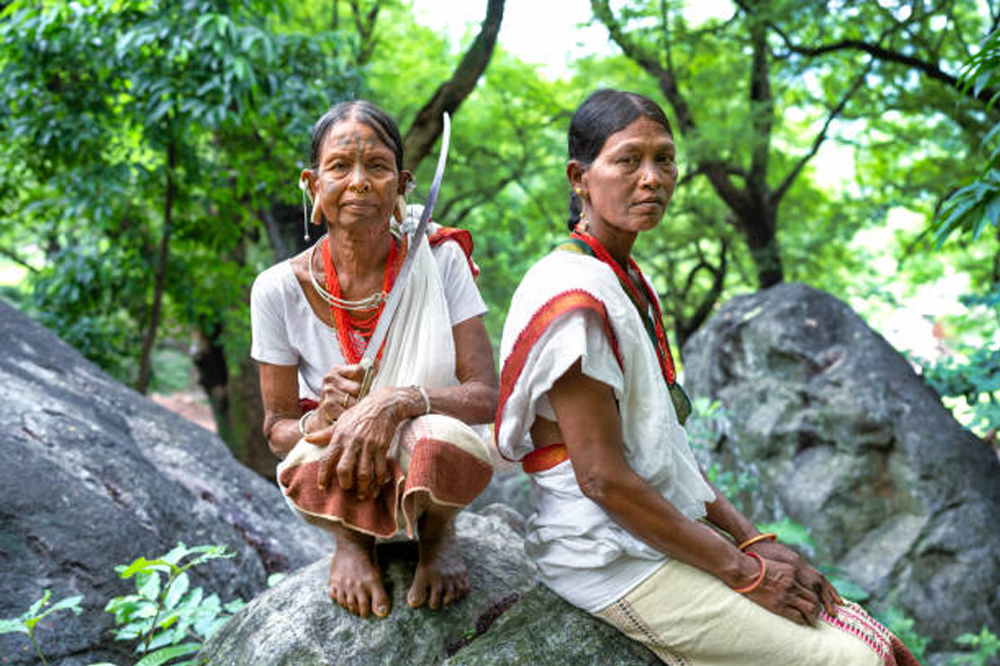
The Institute of Rural Development and Management Studies (IRDMS), established in 1995, is a not-for-profit organization dedicated to empowering marginalized communities across Odisha. With its headquarters in Bhubaneswar and a network of ten regional offices, IRDMS works at the grassroots level to strengthen livelihoods, promote community health, and ensure access to rights and entitlements for tribal, Dalit, women, and other underserved populations. Initially formed by a group of passionate youth working voluntarily in the development sector, IRDMS has evolved into a credible institution with extensive experience in implementing large-scale development programs with government departments, international agencies, and CSR partners.
IRDMS focuses on key thematic areas such as Livelihood Promotion, Natural Resource Management, Community Health, Clean Energy, Climate Resilience, Women and Child Welfare, Micro-credit and SHG promotion, and Participatory Irrigation Management. The organization has a proven track record of managing integrated rural development programs like OTELP, OPELIP, OIIPCRA, and NABARD-funded initiatives. Over the years, it has received recognition and appreciation from various departments for its innovative and impactful interventions. With a rights-based, inclusive approach, IRDMS envisions an equitable society where every individual can live in peace and dignity.
Water &
Sanitation
Solar
Energy
Agriculture &
Farming
Fisheries &
Livelihood
Women
Empowerment
Community
Development
Areas of Work
Livelihood Promotion
Natural Resource Management
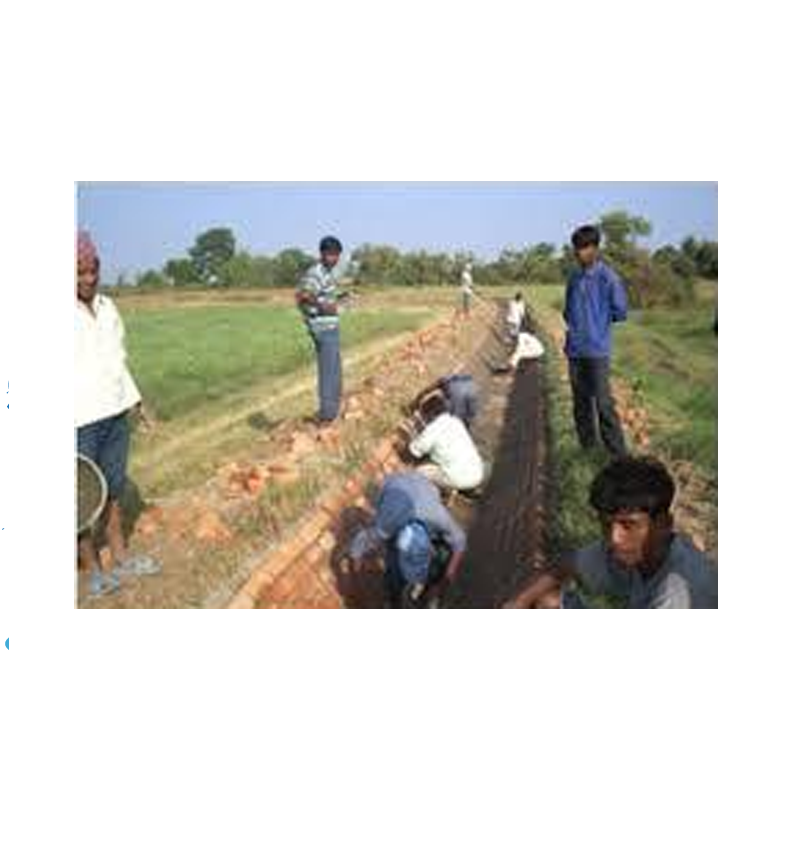
Participatory Irrigation & Pani Panchayats
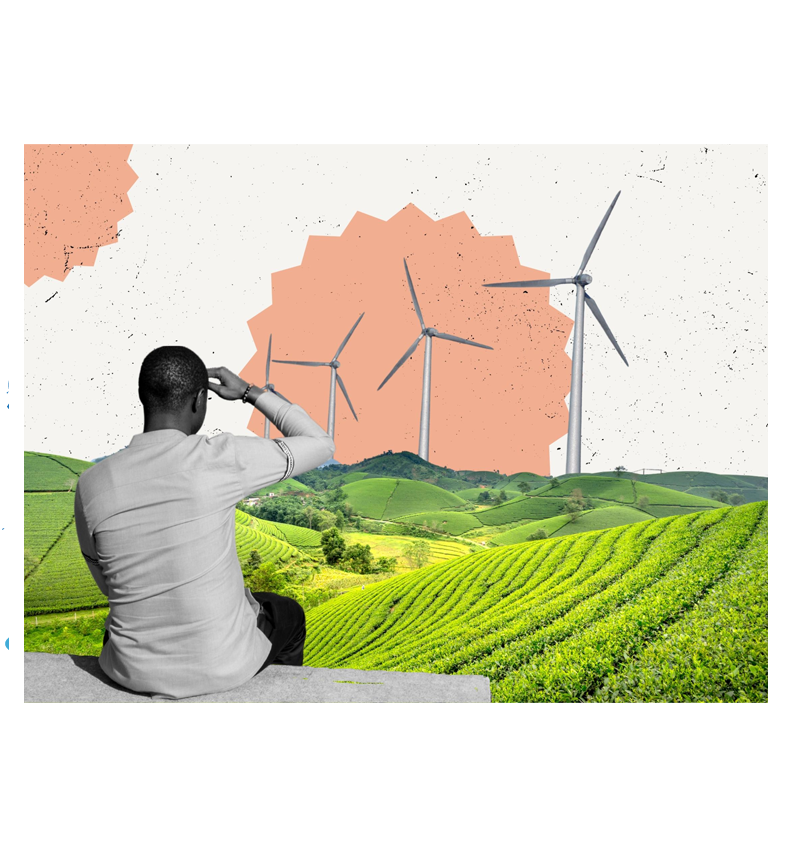
Climate-Resilient Agriculture & Energy
Community Health & SRH/HIV/AIDS
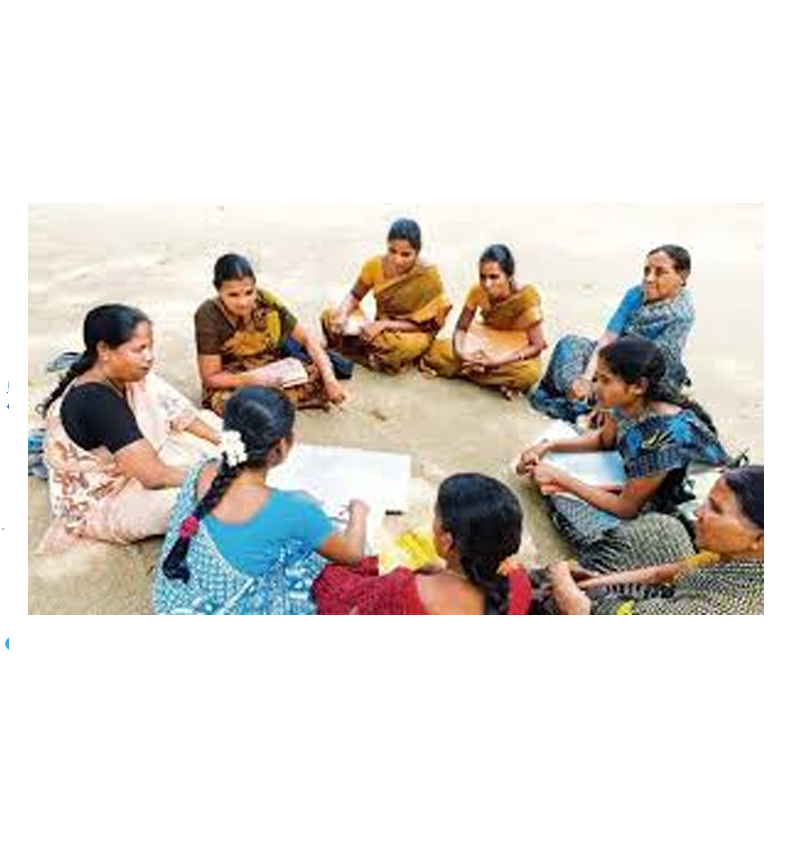
Women & Child Welfare

Micro-credit & SHG Promotion
Vocational Training & Skill Development
Fisheries & Animal Resources
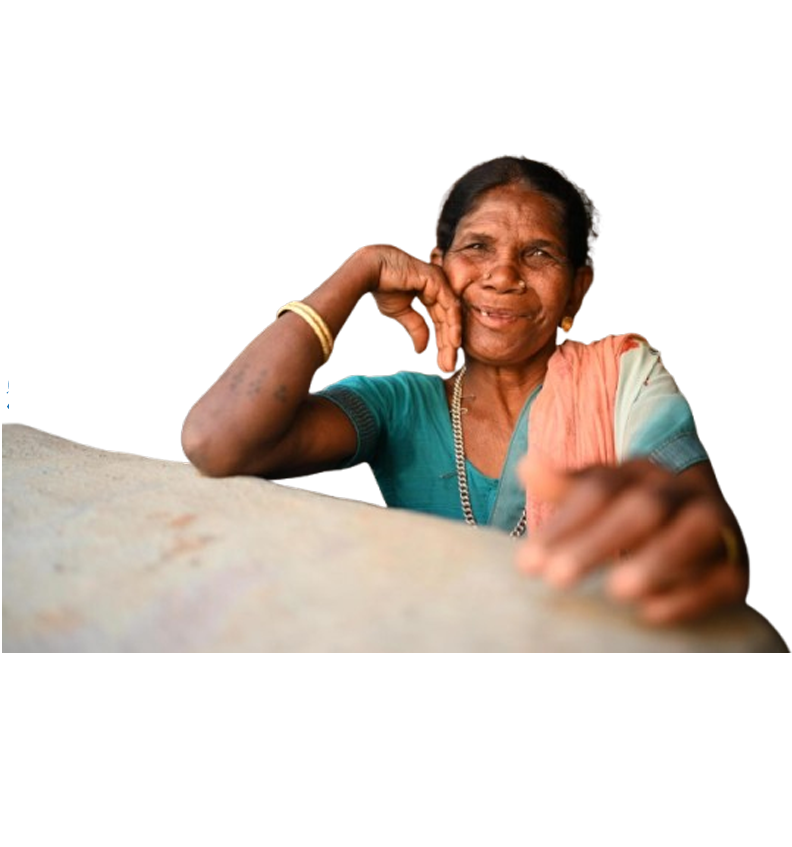
Tribal Empowerment & Entitlements
Environmental Protection & Agroforestry
Water, Sanitation & Hygiene (WASH)
Social Infrastructure
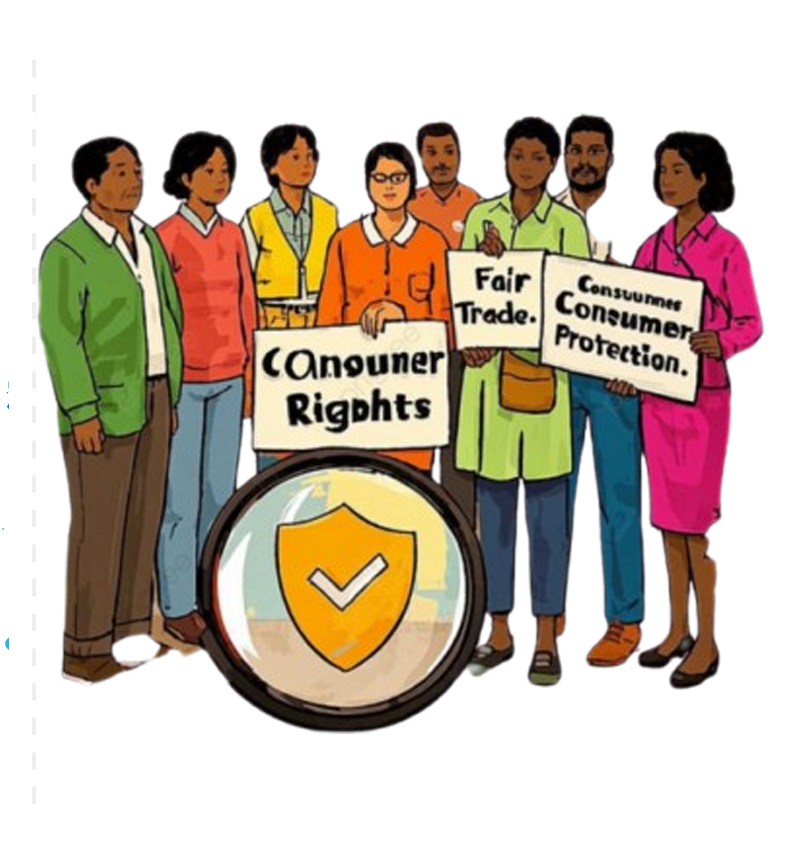
Consumer Awareness & Welfare
Institution Building of CBOs
Market Linkages & Enterprise
Vision
IRDMS envisions an equitable and sustainable society where people live in peace and dignity.
Mission
To promote processes which are sustainable, socially inclusive, and gender equitable, enabling poor and marginalized rural communities to achieve a dignified quality of life.